


Need a reliable technology partner? For scalable digital solutions. Schedule a Consultation →


By Ibex Softech | Digital Strategy & Technology Insights
Digital transformation is no longer a long-term goal — it is a business necessity. For growing businesses, technology now plays a direct role in how customers discover, engage, and trust a brand. From automation and cloud platforms to data-driven marketing and scalable software systems, the future belongs to organizations that invest in smart, adaptable, and performance-driven digital infrastructure.
At Ibex Softech, we work with businesses across industries to modernize operations, improve efficiency, and build future-ready digital platforms designed for sustainable growth.
Digital transformation goes beyond building a website or launching an app. It is about re-engineering how a business operates, delivers value, and scales using technology.
This includes:
For growing businesses, this transformation provides a competitive edge by reducing operational costs, improving service delivery, and enabling faster decision-making.
Cloud platforms enable businesses to scale infrastructure without heavy capital investment. Modern cloud solutions offer high availability, security, and global access, allowing teams to collaborate and operate efficiently from anywhere.
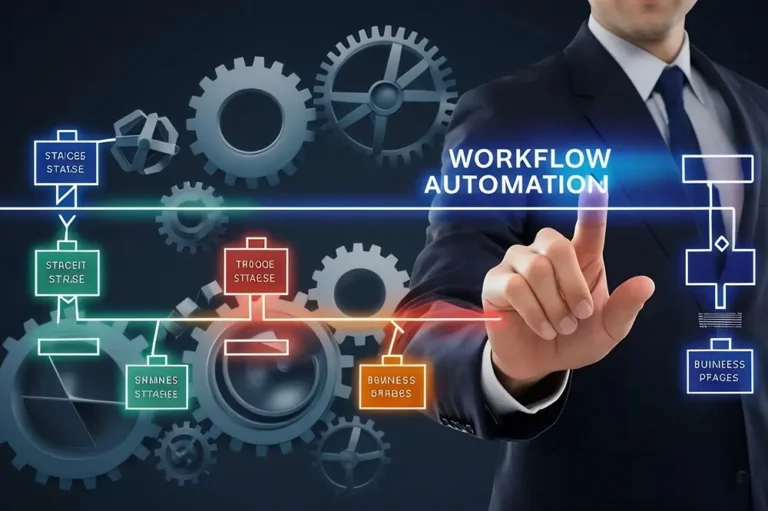
Automation is transforming how businesses manage repetitive tasks such as lead management, invoicing, reporting, and customer communication. Automated workflows reduce errors, save time, and allow teams to focus on strategic growth activities.
Advanced analytics and reporting tools provide insights into customer behavior, sales performance, and marketing ROI. Businesses that leverage data effectively can optimize strategies, reduce waste, and improve conversion rates.
Modern businesses require digital platforms that grow with them. Technologies like React, Node.js, and cloud-based APIs help create systems that can handle increasing traffic, users, and transactions without performance loss.
Digital transformation now includes building marketing systems that connect SEO, Google Ads, and social media campaigns into a single performance-driven growth engine.
Automated systems reduce manual work, streamline approvals, and improve internal communication, resulting in faster project delivery and better customer service.
Modern digital platforms provide customers with smooth, fast, and secure interactions, increasing trust and brand loyalty.
Real-time dashboards and analytics help leaders track performance, identify opportunities, and respond quickly to market changes.
Businesses that adopt new technologies early are better positioned to compete with larger enterprises and attract digital-first customers.
While the benefits are significant, businesses often face challenges such as:
Partnering with an experienced technology provider helps reduce risks and ensures transformation efforts align with long-term business goals.
Technology should support real business goals — such as increasing sales, improving customer retention, or reducing operational costs.
Identify gaps in performance, security, and scalability across your current digital platforms.
Focus on changes that deliver the highest return, such as automation, system integration, or performance marketing tools.
Work with a company that understands both technology and business strategy to guide your transformation journey.
At Ibex Softech, we act as a technology partner, not just a service provider. Our role extends beyond development to include:
This partnership approach ensures businesses are not just adopting technology — they are building long-term digital ecosystems for sustainable growth.
Digital transformation is driving growth across multiple sectors, including:
Each industry benefits from customized digital systems that align with its operational and customer engagement needs.
The future of digital transformation lies in intelligent automation, scalable platforms, and data-driven decision-making. For growing businesses, the ability to adapt quickly and invest in the right technology will determine long-term success.
By building strong digital foundations today, businesses can improve efficiency, strengthen customer relationships, and create new opportunities for growth in an increasingly competitive digital economy.
At Ibex Softech, we help businesses design and implement digital transformation strategies that deliver measurable results.